By Marc Shaw
The housing landscape has shifted dramatically in recent years, and accessory dwelling units have moved from niche solution to mainstream strategy. What was once dismissed as a granny flat or afterthought addition has become a legitimate answer to multiple challenges: aging parents who need nearby care, adult children navigating expensive housing markets, or homeowners seeking rental income to offset rising property costs.
The surge in ADU popularity reflects a fundamental reimagining of how we use residential property. Yet, amid all the excitement about rental income potential and multigenerational living arrangements, there’s a critical question that deserves far more attention than it typically receives: how does adding a separate dwelling unit to your property affect your legal ownership rights, and what title complications could emerge from transforming a single-family home into a multi-unit property?
This isn’t just a technical concern for real estate lawyers to puzzle over. The title implications of ADU construction directly impact your ability to secure financing, maintain proper insurance coverage, and eventually sell your property. Understanding these considerations before you break ground can mean the difference between a valuable property enhancement and a costly legal complication.
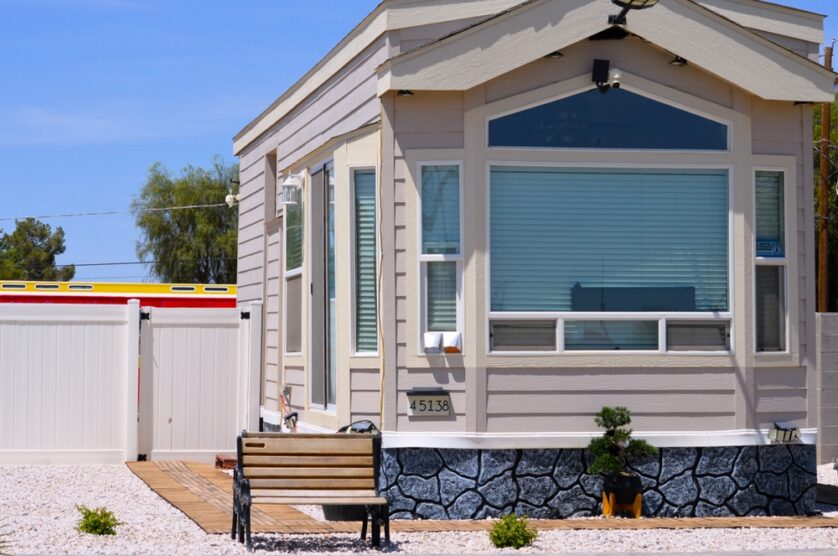
An accessory dwelling unit goes by many names depending on where you live. Some people call them granny flats, in-law suites, backyard cottages, or carriage houses. Regardless of the terminology, the concept is the same: a self-contained living space on the same lot as your primary residence.
ADUs come in several forms. A detached ADU is a separate structure in your backyard, completely independent from your main house. An attached ADU shares at least one wall with your primary home. Garage conversions transform existing space into livable quarters, while internal ADUs convert basements or attics into separate units with their own facilities.
The key characteristic that defines all ADUs is that they exist on the same parcel of land as your main home. You are not subdividing your property into multiple lots. You are adding an additional dwelling to your existing lot, and that distinction has significant implications for your property title and how World Wide Land Transfer approaches title examination for these unique situations.
Your property title represents the legal documentation of your ownership rights. It spells out exactly what you own and what limitations or restrictions apply to that ownership. When you add an ADU, you are fundamentally changing the nature of your property from a single-family residence to a multi-unit property, and that change needs to be properly reflected in your title documentation.
If you have a mortgage on your property, your lender has a security interest in your home. When you add a significant structure like an ADU, you are altering the collateral that secures their loan. Similarly, potential buyers will want clear documentation showing that the ADU was legally constructed and properly added to the title. Any ambiguity or missing documentation can derail a sale or significantly reduce your property’s value.
This is where all-encompassing title and escrow services become essential. World Wide Land Transfer examines these complex property changes regularly, ensuring that ADU additions are properly documented and protected within your title records.
Before addressing title considerations, you need to navigate the legal framework that allows ADUs to exist on your property. Zoning laws vary dramatically by location. Some areas enthusiastically embrace ADUs as a solution to housing shortages, while others impose strict limitations or prohibit them entirely.
Here’s where title considerations intersect with zoning. Your title insurance policy typically includes coverage for losses resulting from zoning violations or non-conforming uses. However, if you build an ADU that violates zoning requirements, you may have constructed an illegal structure that clouds your title and voids certain protections under your existing title insurance.
The solution is straightforward: secure all necessary zoning approvals and building permits before construction begins. These approvals become part of your property’s official record and demonstrate that the ADU is a legal, conforming structure. World Wide Land Transfer’s thorough title searches can reveal zoning restrictions or requirements before you invest in construction, helping you avoid costly mistakes.
Adding an ADU does not usually change your property’s legal description because you are not altering the boundaries of your land. However, the improvements on that lot have changed significantly. Your property is now improved with two dwelling units instead of one, and this fact needs to be documented in the public record.
Some municipalities require an amended site plan showing the ADU’s location, dimensions, and relationship to the primary residence. In certain cases, particularly with more complex ADU projects, you might need an updated survey showing the ADU’s footprint, its setbacks from property lines, and any easements or encroachments.
Your existing owner’s title insurance policy covers the property as it existed when you purchased it. When you add a substantial improvement like an ADU, questions naturally arise about coverage.
Most standard owner’s title insurance policies provide some degree of coverage for improvements and additions you make to the property after purchase. However, title insurance protects against defects in title, not construction defects or zoning violations. If you build an ADU without proper permits, or if the ADU violates deed restrictions or easements, your title insurance policy may not cover losses resulting from these issues.
This is why the permitting process is so crucial. Proper permits demonstrate that your ADU complies with applicable regulations, protecting your title from claims that the structure is illegal or non-conforming.
If you refinance your mortgage to fund the ADU construction, your new lender will require a new lender’s title insurance policy. World Wide Land Transfer provides comprehensive lender’s title insurance that reflects the property’s enhanced value including the ADU, ensuring both you and your lender have proper protection throughout the construction process and beyond.
Beyond zoning laws and building codes, your property title may include private restrictions that limit what you can build. These restrictions typically appear in the deed itself or in declarations of covenants, conditions, and restrictions that govern your neighborhood.
Deed restrictions might prohibit additional dwelling units, limit the number of structures on your lot, or impose architectural standards that effectively prevent ADU construction. If your property is part of a homeowners association, the HOA’s governing documents may contain additional restrictions.
Here’s the critical point: deed restrictions and HOA rules are enforceable limitations on your property rights. They are part of your title, and violating them can create title defects. If you build an ADU in violation of deed restrictions, neighbors or the HOA could sue to force removal of the structure.
Before investing in ADU construction, World Wide Land Transfer can conduct a comprehensive title search to identify any restrictions that might prohibit or limit your project. Our experienced team knows exactly what to look for and can help you understand whether you need to seek waivers, variances, or amendments before proceeding.
Easements represent another crucial title consideration. An easement grants someone else limited rights to use a portion of your property for a specific purpose.
Utility easements are the most common type, giving utility companies the right to install, access, and maintain infrastructure across your property. These easements typically run along property lines or through rear yards, exactly where many homeowners want to build detached ADUs.
Building a structure within a utility easement creates serious problems:
Drainage easements pose similar concerns, preserving pathways for water to flow across properties. Access easements grant other parties the right to cross your property to reach their own land.
A proper title search conducted by World Wide Land Transfer will reveal all recorded easements affecting your property. This information is critical for planning ADU placement and avoiding construction in problematic areas.
If you currently have a mortgage on your property, your lender has a say in whether and how you add an ADU. Most mortgages include clauses requiring lender approval for significant alterations to the property, and an ADU definitely qualifies.
Some homeowners finance ADU construction by refinancing their existing mortgage or taking out a home equity loan. Both options trigger new requirements for title insurance in Maryland and various other states, and this is where World Wide Land Transfer’s expertise becomes particularly valuable. We conduct updated title examinations that reveal any issues that may have arisen since your original purchase, ensuring your expanded property with its new ADU is properly documented and protected.
Our streamlined process helps you access construction funds quickly while maintaining thorough protection for both you and your lender.
Many homeowners build ADUs specifically to generate rental income. This intended use creates additional title considerations related to landlord-tenant law and property classification.
When you rent out your ADU, your property effectively becomes an income-producing rental property. If you sell your property with a tenant in the ADU, that tenant’s lease typically transfers to the new owner. The tenant’s rights become an encumbrance on the title that must be disclosed to potential buyers.
Some jurisdictions require rental property registration or landlord licensing for properties with ADUs. Additionally, rental restrictions imposed by mortgage lenders or HOAs may limit your ability to rent out portions of your property. These restrictions affect your property rights and need to be addressed before you sign lease agreements.
Several scenarios commonly create title defects related to ADUs:
Unpermitted ADUs: An ADU built without proper permits may be considered illegal, making it difficult to obtain title insurance or sell the property.
Zoning Violations: ADUs that exceed size limits, violate setback requirements, or don’t comply with occupancy restrictions represent non-conforming uses that cloud the title.
Easement Encroachments: ADUs built within easement areas could face removal demands from easement holders, creating a title defect.
HOA or Deed Restriction Violations: When an ADU violates recorded restrictions, neighbors or the HOA could seek removal of the structure.
The solution involves addressing the underlying violation, which might mean obtaining after-the-fact permits, seeking zoning variances, or relocating structures. These remedies can be expensive and time-consuming, which is why preventing title defects through proper planning is far preferable.
Smart homeowners take proactive steps to protect their property title when adding an ADU. Starting with a comprehensive title search through World Wide Land Transfer reveals any existing restrictions, easements, or title issues that could affect your plans. Addressing these issues before construction begins saves money and prevents complications.
Our title professionals guide you through documentation requirements and help identify potential title issues early in the process. We understand the specific challenges that ADU projects present and can provide expertise throughout every phase of your project.
Key protective steps include:
When you refinance or take out a home equity loan to fund your project, World Wide Land Transfer conducts a new title search and issues updated title insurance covering your property including the ADU. Our efficient process ensures you can move forward confidently with proper protection in place.
Adding an ADU to your property offers tremendous benefits, from housing family members to generating rental income to increasing property values. However, realizing these benefits requires attention to title considerations throughout the process.
World Wide Land Transfer specializes in handling complex property transactions involving ADUs and other property improvements. Our comprehensive title searches reveal any issues requiring attention before you invest in construction. We examine zoning compliance, recorded restrictions, easements, and other encumbrances that could impact your project.
If title issues arise during or after ADU construction, our experienced team helps develop solutions. Whether you need to cure a title defect, document completion of an ADU project, or address questions from potential buyers, we provide the expertise to resolve issues efficiently.
The key is approaching ADU development with a complete understanding of how the project affects your property rights and title documentation. By reaching out to World Wide Land Transfer’s experienced professionals, obtaining proper permits, and addressing title issues proactively, you can add an ADU that enhances your property’s value without creating legal complications.
Your backyard’s potential extends beyond its current use, and with proper title guidance, that empty space can become a valuable addition that serves your family’s needs and protects your property investment for years to come.