By Marc Shaw
ALTA NSPS survey title commitment reconciliation is a line-by-line exercise: every Schedule B-2 exception is either plotted on the survey, labeled as unplottable, or deleted before closing. A typical commercial file carries 8 to 25 survey-related exceptions, and each one needs a disposition in writing.
The steps below from World Wide Land Transfer give commercial real estate counsel a repeatable method for the cross-check, from Table A selection through the revised commitment.
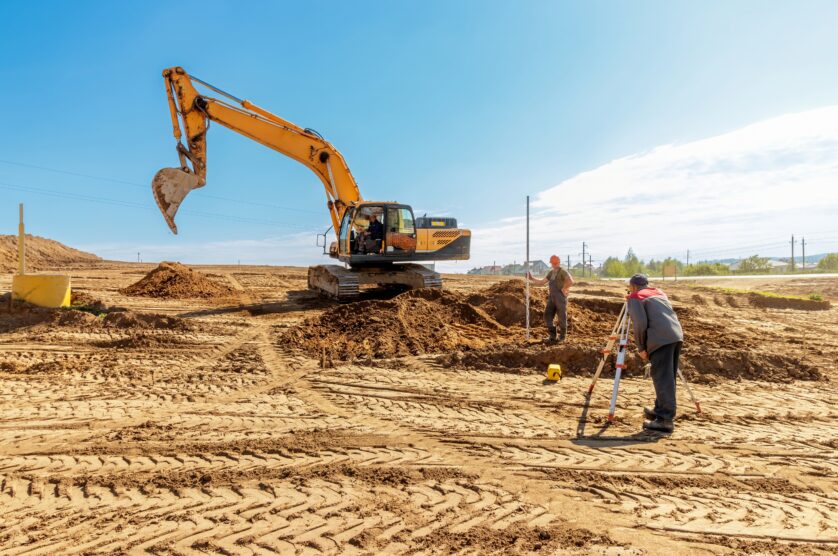
Reconciliation fails when documents arrive piecemeal. Assemble the following before the surveyor sets foot on the site, since late production is the single most common cause of a second field visit.
Most lenders require the survey to be certified to the buyer, the lender, and the commercial land title company issuing the policy, so confirm the certification language early.
The ALTA/NSPS land title survey standards, jointly adopted by the American Land Title Association and the National Society of Professional Surveyors, set the baseline survey. Table A is the optional menu that turns a generic boundary product into a due diligence instrument. Treat this ALTA survey Table A items legal guide section as the starting point, then add items driven by the asset type.
For a ground-up development or a sale-leaseback with building expansion rights, add Items 6 (zoning, when a zoning report is supplied), 13 (adjoiner names), 18 (wetland delineation markers), and 19 (offsite easements).
Surveyors can only plot what they receive. Transmit the full commitment plus every easement document, and ask that each plotted item be labeled on the face of the plat with the same exception number used in Schedule B-2. That single formatting request converts a drawing into a usable CRE due diligence ALTA survey checklist and saves hours later.
Expect 3 to 6 weeks for a standard commercial site and longer for multi-parcel assemblages or anything requiring a private location. Field work on a 5-acre improved site commonly runs $3,500 to $9,000, with large industrial or multi-parcel projects exceeding $15,000.
Build a three-column table: exception number, document description, and survey disposition. The land survey cross examination title commitment process assigns one of four dispositions to every item.
Reconciling Schedule B exceptions, ALTA survey work also runs in reverse: scan the plat for physical conditions with no matching exception, such as a worn gravel drive crossing the rear lot line or a neighbor’s fence inside the boundary. Those conditions often signal prescriptive claims that title underwriting has not yet seen.
A blanket exception reads something like “rights of utility companies in and to the premises” with no location. Removing blanket exceptions title commitment language usually follows one of three paths.
Underwriters will not restate an exception against an uncertified or preliminary plat, so hold the request until the sealed survey is issued.
Resolving property encroachments commercial title issues depends on magnitude, direction, and who benefits. Rank each encroachment by whether it affects a structure, a paving area, or an appurtenance.
Send the underwriter a markup letter listing each exception number, the requested action, and the supporting document. Title commitment survey exception removal is confirmed only when a revised commitment or pro forma policy is issued, not by email agreement. Build 10 to 14 days into the schedule for underwriting review, because survey exception removal CRE closing requests frequently generate follow-up questions about access, gaps, and overlaps.
Premiums in Pennsylvania and several other states are filed and rate-driven, so a commercial title insurance rate calculator gives a reliable figure once the policy amount is known. Endorsements are usually quoted as a percentage of the basic premium or a flat fee per endorsement.
Transfer tax belongs in the same model. Pennsylvania imposes a 1 percent state realty transfer tax plus a local rate that is commonly 1 percent, while Philadelphia’s combined burden is materially higher, and New Jersey layers the realty transfer fee with a 1 percent mansion tax on qualifying commercial transfers above $1 million. Confirm current rates through the Pennsylvania Department of Revenue or a state-specific commercial real estate transfer tax guide before circulating a closing statement.
A disciplined commercial real estate title review guide keeps each of those items on the critical path checklist rather than the day-before scramble.
Assign all Schedule B-2 survey exceptions one of four dispositions: plotted and acceptable, plotted and problematic, unplottable, or not applicable. Document the dispositions in a single markup letter to the underwriter, attach the sealed survey, and request a revised commitment reflecting each agreed change.
Supply the surveyed location of the right in question and ask the underwriter to restate the exception as affecting only that mapped area. How to convert blanket title exceptions to specific exceptions depends on having a certified plat that references the easement by recording data and exception number.
Most commercial lenders require Items 1 through 4, 6(b), 7, 8, 9, 11, 13, 14, 16, 17, and 19 at minimum. Development deals add zoning, wetlands, and offsite easement items, and the final list should be approved by the lender in writing before field work begins.
Four options dominate: a recorded boundary line agreement, removal before closing with a holdback of roughly 125 percent of the estimate, ALTA 28 series endorsement coverage, or a seller indemnity. Structural encroachments almost always require a recorded instrument rather than coverage alone.
Plan on 3 to 6 weeks for the survey plus 10 to 14 days for underwriting review of the markup letter. Multi-parcel sites, private utility locates, and neighbor negotiations extend that timeline considerably.
World Wide Land Transfer, a commercial real estate title insurance company, coordinates ALTA/NSPS surveys, Table A scoping, and Schedule B-2 markups for commercial transactions across Pennsylvania, New Jersey, New York, Maryland, and Texas. Send us your commitment and survey, and our underwriting team will return a disposition chart with the exceptions we can remove.